Welcome to supply chain bootcamp.
Where we’ll talk about the magic that happens behind the curtain, enabling you to wear that fabulous sweater.
Today, we’re starting the discussion around:
- What is a supply chain?
- The basics of sourcing, starting at the beginning.
“Supply chain” – three syllables that encompass a web of complexity.
It involves everything in producing and delivering a product or service from beginning to end.
That process typically looks something like this:
- Sourcing: Procuring raw materials or components from suppliers.
- Manufacturing: Converting raw materials into finished goods through production processes.
- Logistics: Transporting goods between suppliers, manufacturers, warehouses, and retailers.
- Warehousing: Storing materials or finished goods until they’re needed.
- Distribution: Delivering goods to customers or retail outlets.
- Customer Service: Managing orders, returns, and after-sales support.
For the sweater you’re wearing, what material is it made of?
Mine is 100% cotton.
India is the largest producer of cotton, with China coming in second.
Now, cotton can come in many forms:
- Raw cotton: freshly harvested, with no seeds.
- Cotton yarn
- Rolls of cotton fabric
- Finished garments
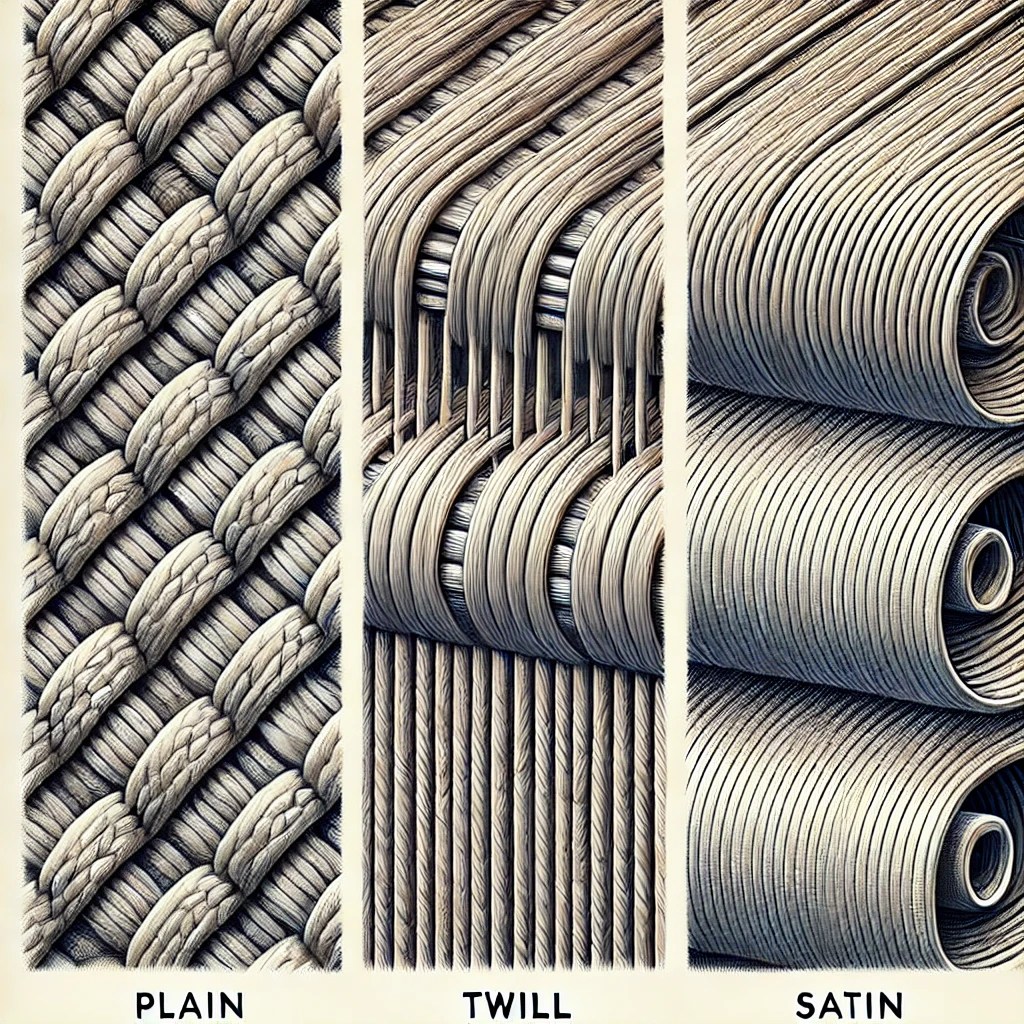
I’m going to guess that the company that produced my sweater went with the rolls of cotton option.
Within the scope of cotton yarn, you can specify thread count, weave type (plain, twill, satin), weight, and finish. Yes, you are learning more about cotton than you expected today.
And even further than that, the quality of the cotton can vary: whether it was grown with or without synthetic chemicals, whether fibers were removed or kept, etc.
To top it all off, you’re going to want to make sure you’re compliant with GOTS (Global Organic Textile Standard) or Fair Trade if needed.
Who enforces compliances and creates them are open questions we’ll discuss in future weeks.
 Elizabeth Beeli
One Comment Add yours